This website uses cookies to improve your experience. We\'ll assume you\'re ok with this, but you can opt-out if you wish. Read More
PING G430 LST Driver 9 Review: Is This the Ultimate Golf Club?
Categories :
PING G430 LST Driver 9* Review: Is This the Ultimate Golf Club?
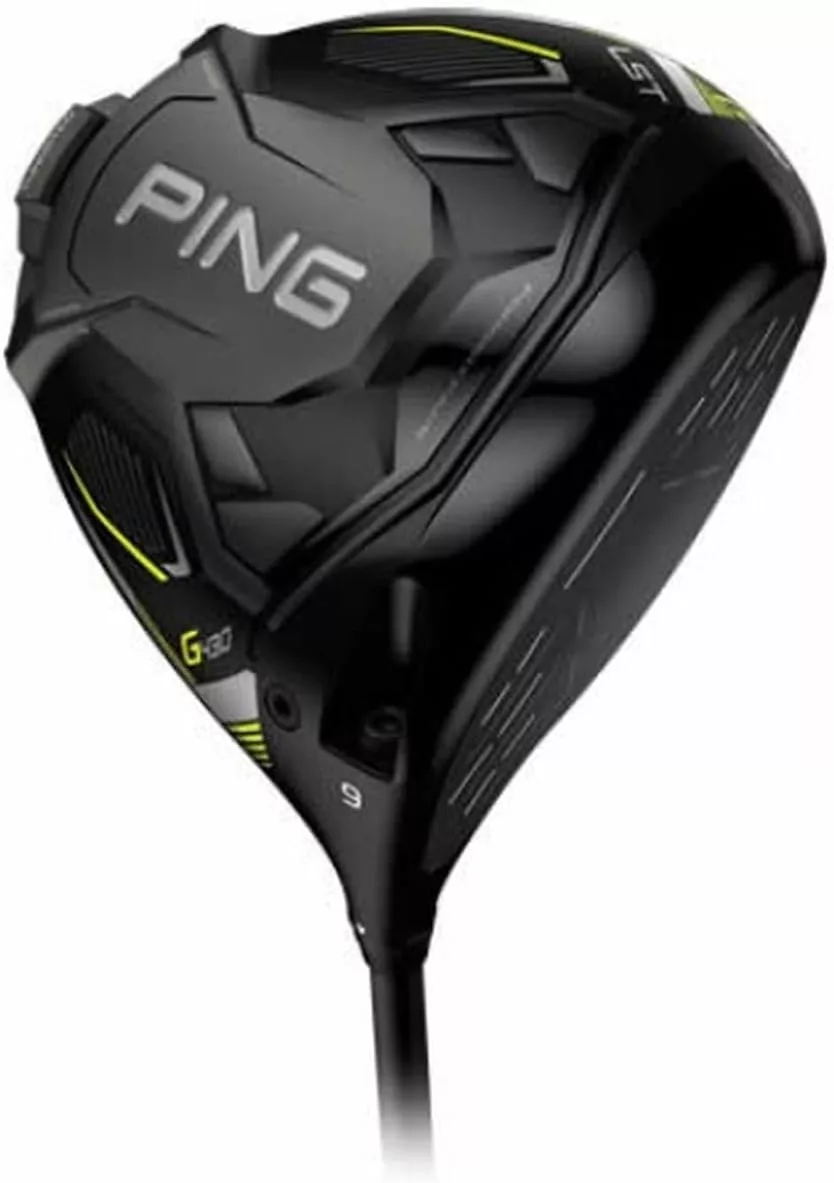
Taking your driver to the range and seeing longer, straighter shots can make any round more enjoyable. I recently tested out the G430 LST and paid extra attention to how it felt during a full session.


This club forgives off-center hits, and the sound at impact is solid without being obnoxious. The face feels quick, and you might see a bump in ball speed if you catch it right.
The look is modern and clean. If you’re used to classic drivers, the design might take a bit of getting used to.
Bottom Line
If you want more distance with less spin and prefer a lighter feel, the G430 LST is worth a try.
Ready to see for yourself? Buy the PING G430 LST Driver on Amazon.
Overview of the PING G430 LST Driver
When you first hold the G430 LST, you’ll notice its lightweight feel and balanced grip right away. The club aims at golfers who want more control and less spin on their drives.
The sound at impact is solid, and honestly, it’s kind of satisfying. Stability stands out—even when you miss the sweet spot, the club doesn’t twist much.
The face gives a nice pop, which probably comes from its thinner design. If you’re into super-forgiving drivers, this one might feel a bit more demanding.
Low Spin Technology for Maximum Distance
Swing the G430 LST and you’ll see your shots fly straighter and maybe even a little farther. The low spin design helps cut down on side spin, which is great if you tend to slice or hook the ball a lot.
I noticed the driver lets the ball travel farther without asking for more effort. But if you already hit with pretty low spin, the distance jump might not wow you.
Pros:
- Lowers spin for better control
- Helps many players hit longer, straighter shots
Cons:
- Not ideal if you already have low spin off the tee
Enhanced Sound With Internal Rib Structure
Right away, the sound difference jumps out. The internal rib structure softens the harsh, tinny noise you sometimes get with other drivers.
You get a solid, muted tone on contact. If you care about feedback, this design just feels better and less distracting.
If you love a loud, classic “ping,” this driver might feel too quiet. But honestly, most golfers will probably like the upgrade.
Thinner Variable-Thickness Face for Faster Ball Speed
The face feels lighter and snappier than what you might be used to. The variable-thickness design lets the face flex more at impact, so you get extra speed without losing control.
This really helps if you’re chasing longer drives but struggle with consistency.
Positives:
- Solid contact, even on mishits
- Ball speed seems higher, so you get a bit more distance
Downsides:
- The thin face can make a loud sound—not everyone will love it
- Some golfers might want a more classic feel
Aerodynamic Crown Turbulators for Increased Swing Speed
The crown design stands out right away. Those turbulators on top aren’t just for show—they help the club slice through the air with less drag.
My swing felt a bit faster with this driver. The refined turbulators probably give you a small swing speed boost, which can mean a few extra yards.
If you already swing fast, you might not notice a huge change. But for most golfers, any extra speed is a plus.
The technology doesn’t mess with the feel at impact, which stays solid and controlled.
Forgiveness and Playability
Step up to the tee and you’ll feel the G430 LST take the pressure off. Miss the center and your shots still stay pretty straight, which is honestly a relief.
It’s not the most forgiving club out there, but you get more control and feedback in exchange. The club feels stable during the swing, and once you’re comfortable, it’s easy to shape shots.
Pros and Cons
Pros
The driver feels light and easy to handle, even if you’re not a pro. That pleasing, solid sound at impact actually boosts your confidence.
The faster face reaction helps squeeze out extra distance on solid swings. Reduced drag lets you swing faster without trying harder.
If you want lower spin, this club aims to keep your shots controlled and on target.
Quick Pros Table:
| Feature | What You Get |
|---|---|
| Feel | Light and comfortable |
| Sound | Noticeable improvement |
| Speed | Helps increase ball speed |
| Spin | Promotes lower spin |
Cons
Lower spin can make it tougher for beginners to launch the ball high. You’ll need a decent swing to get the best out of it—otherwise, it can feel a bit punishing.
Some folks might find the sound and feel different than their old driver and need a little time to adjust. This club really shines if you already swing fast and strong.
- Less forgiving on mishits
- Not great for newer players
- May take some getting used to
If you’re considering this driver, think about how it fits your current skill level and swing style.
Customer Reviews
Plenty of golfers say this driver feels solid and offers good distance. The sound is quieter than other drivers—some love that, some wish it had more pop.
Lots of reviews mention straighter shots, but not everyone agrees about the forgiveness on misses. Players with faster swings seem to get the most out of the G430 LST.
If you’re just getting started, you might want to test it before buying. The grip and shaft feel comfortable and stable, though a few folks think the price is a bit steep for what you get.
Who Should Consider the PING G430 LST Driver?
If you swing fast and want to cut spin, this club could fit your game. The G430 LST works best for players chasing distance but still needing forgiveness when things go sideways.
If your drives balloon or lose speed, you might see better ball speed and less curve with this driver. You’ll probably appreciate the feel and sound if you’re picky about feedback.
But if you swing slow or want lots of help with slices, this might not be your top pick.
Ideal for you if:
- You often swing hard
- You want lower spin
- You value a solid, muted sound
Probably not the best fit for beginners or anyone needing high launch and extra help on off-center hits.
Frequently Asked Questions
How does the performance of the latest model compare to the previous generation?
If you’ve swung earlier G-series drivers, you’ll spot some thoughtful tweaks. The latest LST gives you a bit more ball speed, especially if you catch it near the center.
The sound and feel at impact are a little different, too. Forgiveness is still there on miss-hits, but overall, the club feels a touch more consistent. The difference isn’t massive, but regular players will notice.
What improvements have been made in the newest LST driver?
From my own time with it, the internal rib structure stands out as a legit upgrade. The sound and feedback when you hit the ball? Way better—none of that hollow, echoey feel from older models.
The face feels a bit thinner now. That can mean a little extra ball speed if you really catch one flush.
The crown’s been reworked too, aiming to cut down on drag. I found it just a bit easier to pick up clubhead speed with this version.
If you’re into tech that helps squeeze out every bit of performance, you’ll probably notice and appreciate these changes.
What are the key features that distinguish this driver from others in its series?
Here’s a quick breakdown:
- The LST version is all about lowering spin, which helps if your shots balloon or you want tighter distance control.
- Its thinner face brings a bit more forgiveness, and the sound at impact is more solid—less “tinny” than before.
- You get adjustable settings to dial things in, which isn’t always the case with older models.
Can the driver’s settings be adjusted to fit individual playstyles?
You have several ways to tune this club. Adjust the loft and lie to match your swing, and there are weight settings in the head so you can shift the balance for draw, fade, or keep it neutral.
If you tend to slice or hook, tweaking these settings can help minimize those misses. You won’t spend all day figuring it out, either.
Quick Table: Adjustable Options
| Setting | Customization Range |
|---|---|
| Loft | Up or down in small steps |
| Lie | Upright or flat |
| Weight | Draw, fade, or neutral |
What level of golfer is the driver designed for?
This LST driver really suits mid to low handicap golfers, or anyone chasing distance with more control. It’s not the most forgiving in the G430 lineup, so if you’re just starting out or usually miss the center, you might be happier with a more forgiving club.
If dialing in launch and keeping spin down is your thing, this model delivers. Advanced players who know their swing will squeeze the most out of it.
How does the driver fare in terms of distance and forgiveness?
In real-world play, the LST version gives you strong distance, especially when you catch it clean. The low spin actually lets the ball roll out a bit more after landing, which is always nice to see.
If you miss the sweet spot, you won’t lose as much distance as you might fear. Still, there’s a limit—don’t expect the same forgiveness you’d get from a higher-spin model.
Honestly, this driver seems to blend forgiveness and distance pretty well. If you’re after distance but don’t want to totally sacrifice help on mis-hits, this one strikes a fair balance.
Related Post

Can You Wear Leggings Golfing? Yes — at Nearly Every Public Course
Leggings are acceptable at the large majority of public and municipal golf courses, and they’ve [...]
SF1 Golf Driver Review: Does It Really Fix Your Slice? (2025 Test Results)
SF1 Golf Driver: The Complete Guide to Fixing Your Slice and Gaining 35+ Yards Off [...]