This website uses cookies to improve your experience. We\'ll assume you\'re ok with this, but you can opt-out if you wish. Read More
Golf Equipment Checklist for Complete Beginners Under $300
Categories :
Last Updated: Julyy 21, 2025
Starting your golf journey doesn’t have to break the bank. With the right strategy and smart shopping, you can get everything you need to play golf for under $300. This comprehensive guide will walk you through exactly what to buy, where to find the best deals, and how to avoid common beginner mistakes that waste money.
Quick Budget Breakdown: Your $300 Golf Starter Kit
| Essential Item | Budget Range | Recommended Spend |
|---|---|---|
| Golf Club Set | $150-$200 | $180 |
| Golf Bag | $30-$60 | $45 |
| Golf Shoes | $40-$80 | $60 |
| Golf Balls (2 dozen) | $15-$25 | $20 |
| Golf Glove | $8-$15 | $12 |
| Tees & Accessories | $5-$15 | $10 |
| TOTAL | $248-$395 | $327 |
Note: With strategic shopping and sales, you can easily stay under $300
The Essential Golf Equipment Checklist
1. Golf Club Set (Budget: $150-$200)
What You Need:
- Driver (1 club)
- Fairway wood or hybrid (1-2 clubs)
- Irons (5-6 clubs, typically 6-9 iron + pitching wedge)
- Putter (1 club)
Top Budget-Friendly Complete Sets:
Best Overall Value: Callaway Strata Complete Set
- Price: $699
- What’s Included: 12 clubs + bag + headcovers
- Why It’s Great: Trusted brand name, everything included, perfect for beginners
- Where to Buy: Amazon, Dick’s Sporting Goods
Best Budget Option: Wilson Profile SGI Complete Set
- Price: $449
- What’s Included: 10 clubs + bag
- Why It’s Great: Super forgiving, lightweight, great for slower swing speeds
- Where to Buy: PGA Tour Superstore, Golf Galaxy
Premium Budget Pick: PGF Gold Tour Complete Set
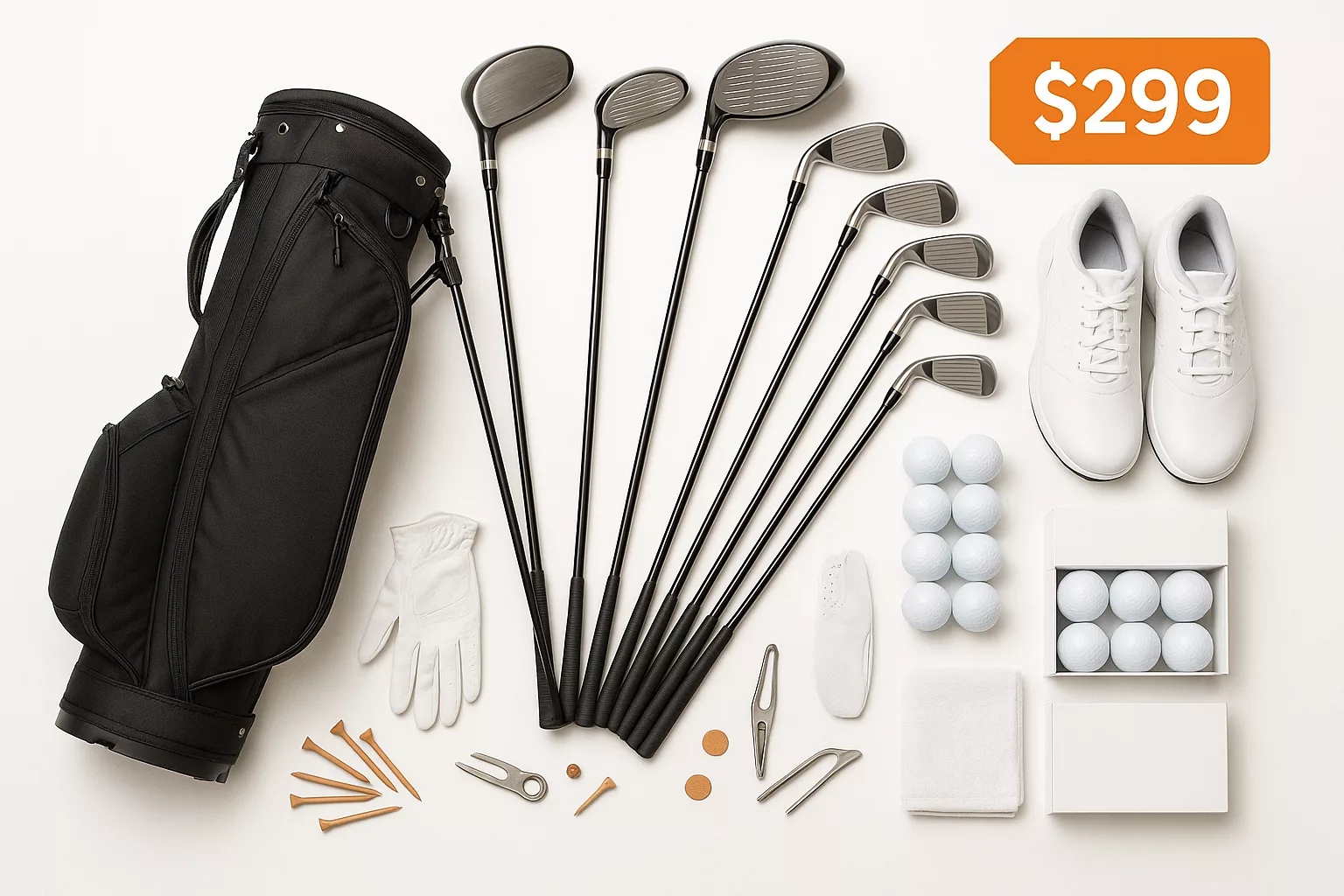
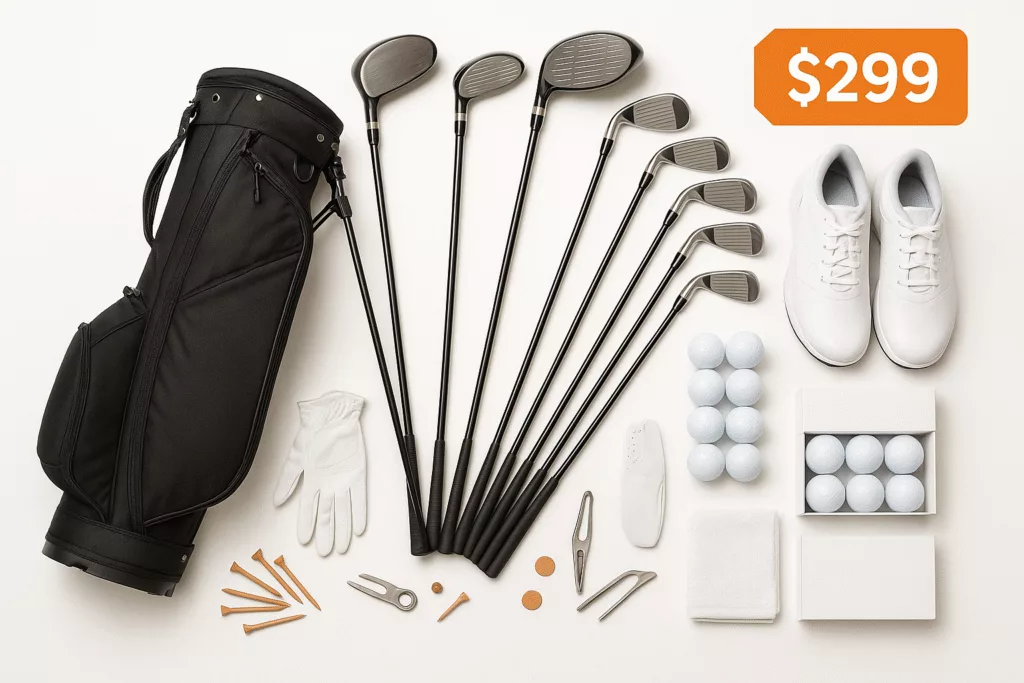
- Price: $299
- What’s Included: 12 clubs + bag + accessories
- Why It’s Great: More clubs for versatility, durable construction
- Where to Buy: Amazon
Remember, these are full sets. All you need is a Driver, fairway wood, a couple of irons, and a putter to get started.
2. Golf Bag (Budget: $30-$60)
Stand Bag vs Cart Bag:
| Feature | Stand Bag | Cart Bag |
|---|---|---|
| Best For | Walking courses | Cart riding |
| Weight | 3-5 lbs | 5-7 lbs |
| Legs | Yes | No |
| Storage | Moderate | Maximum |
| Price Range | $30-$80 | $40-$120 |
Recommended Options:
- Budget Pick: Founders Club 14-Way Stand Bag ($35-$45)
- Best Value: TaylorMade FlexTech Lite ($55-$65)
3. Golf Shoes (Budget: $40-$80)
Spikes vs Spikeless:
Spikeless Shoes (Recommended for Beginners):
- ✅ Can wear off the course
- ✅ More comfortable for walking
- ✅ Easier maintenance
- ✅ Better for affordable public courses in Wisconsin where comfort matters
Top Budget Golf Shoes:
- Adidas Tour360 XT-SL ($60-$80) – Best comfort and grip
- FootJoy Pro/SL ($70-$90) – Premium feel at budget price
- Nike Victory G Lite ($50-$70) – Lightweight and breathable
4. Golf Balls (Budget: $15-$25)
Beginner Ball Characteristics:
- Low compression (under 80)
- Soft feel
- Straight flight
- Cut-resistant cover
Best Budget Golf Balls:
| Ball Model | Price/Dozen | Compression | Best For |
|---|---|---|---|
| Callaway Supersoft | $18-$22 | 38 | Maximum distance |
| Wilson Staff Fifty Elite | $12-$16 | 50 | Budget choice |
| Titleist DT TruSoft | $20-$24 | Low | Feel and control |
| Srixon Soft Feel | $16-$20 | 60 | All-around play |
Money-Saving Tip: Start with recycled/refurbished balls from Lost Golf Balls – save 50-70% off retail prices.
5. Golf Glove (Budget: $8-$15)
Sizing Guide:
- Measure your hand from wrist to tip of middle finger
- Try on in-store when possible
- Buy for your non-dominant hand (left hand for right-handed golfers)
Top Budget Gloves:
- FootJoy WeatherSof ($12-$15) – Best durability
- Callaway Dawn Patrol ($8-$12) – Great value
- Titleist Players ($10-$14) – Premium feel
6. Essential Accessories (Budget: $5-$15)
Must-Have Accessories:
- Golf Tees: Wooden tees (variety pack) – $3-$5
- Ball Markers: Magnetic markers – $5-$8
- Divot Tool: Repair ball marks on greens – $5-$10
- Towel: Microfiber golf towel – $8-$12
Money-Saving Shopping Strategies
1. Timing Your Purchases
Best Times to Buy:
- January-February: Post-holiday clearance sales
- August-September: End-of-season deals
- Black Friday/Cyber Monday: Up to 50% off retail
- End of model years: When new equipment releases
2. Where to Shop for Deals
Online Retailers:
- Rock Bottom Golf – Closeout deals and daily specials
- 2nd Swing Golf – Certified pre-owned equipment
- Global Golf – Trade-in programs and used gear
- Amazon – Complete sets and free shipping
Physical Stores:
- Dick’s Sporting Goods/Golf Galaxy – Price matching and clearance racks
- PGA Tour Superstores – Demo days and trade-in events
- Local pro shops – End-of-season sales at courses like those in Brown County
3. Used Equipment Strategy
What to Buy Used:
- ✅ Irons (last 5+ years)
- ✅ Putters (timeless designs)
- ✅ Fairway woods/hybrids
- ✅ Golf bags
What Not to Buy New:
- ❌ Golf balls (performance degrades)
- ❌ Golf gloves (hygiene and fit)
- ❌ Golf shoes (wear patterns are personal)
Complete Beginner Equipment Packages Under $300
All packages below are under $300 if you purchase the essential clubs one by one. Theses charts are drafted due to most people wanting full sets.
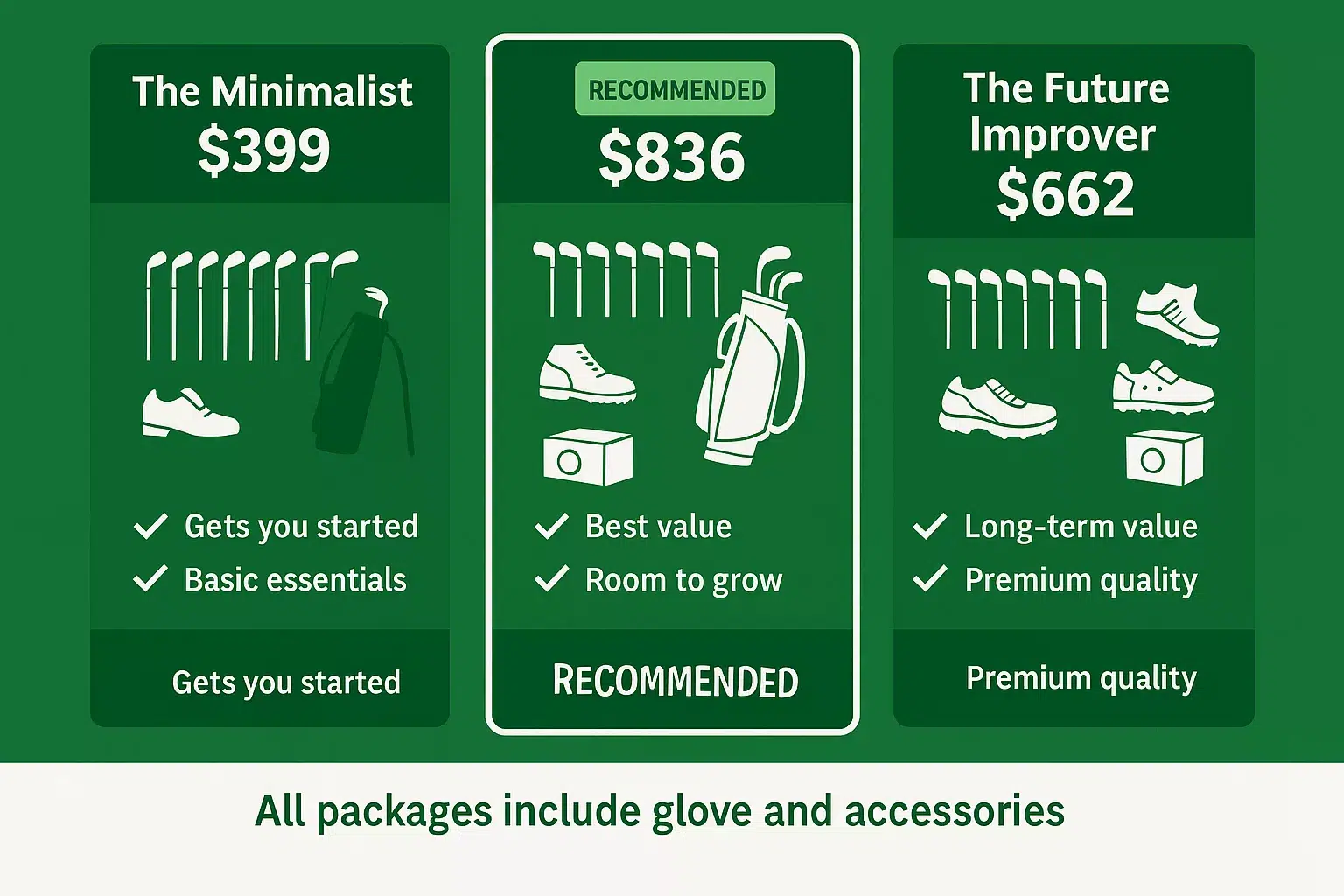
Package 1: The Minimalist ($399)
- PGX Gold Tour set: $299
- Basic stand bag (included)
- Nike Victory G Lite shoes: $60
- 2 dozen Wilson Fifty Elite balls: $24
- Callaway Dawn Patrol glove: $10
- Basic accessories kit: $6
Package 2: The Value Player ($836)
- Callaway Strata 12-piece set: $699
- 14-way stand bag (included)
- Adidas Tour360 XT-SL shoes: $70
- 2 dozen Callaway Supersoft balls: $40
- FootJoy WeatherSof glove: $15
- Premium accessories: $12
Package 3: The Future Improver ($662)
Slightly over budget but best long-term value
- Wilson Profile Complete set: $449
- TaylorMade FlexTech bag: $60
- FootJoy Pro/SL shoes: $80
- 2 dozen Titleist DT TruSoft: $44
- Titleist Players glove: $14
- Complete accessory package: $15
Equipment Mistakes That Waste Money
❌ Common Beginner Mistakes:
- Buying Individual Clubs First
- Complete sets offer better value
- Clubs are designed to work together
- Missing key clubs hurts your game
- Choosing Advanced Equipment
- Blades and tour-level clubs are harder to hit
- Focus on forgiveness over looks
- Start with courses that welcome beginners and forgiving equipment
- Ignoring Proper Fit
- Wrong shoe size affects balance
- Incorrect glove size impacts grip
- Club length matters for swing mechanics
- Buying Too Much Too Soon
- Start with essentials
- Add specialty clubs as you improve
- Focus on lessons over expensive gear
When to Upgrade Your Equipment
Stick With Beginner Gear Until:
- You can consistently break 100
- You understand your swing tendencies
- You’ve played 20+ rounds
- You know what clubs you use most
First Upgrades to Consider:
- Putter (most used club on the course)
- Wedges (scoring clubs around the green)
- Driver (confidence booster for tee shots)
Getting Started: Your First Round
Once you have your equipment, you’ll want to start playing. Wisconsin offers excellent options for beginners, including:
- Affordable courses in Outagamie County with beginner-friendly layouts
- Family-friendly options in Portage County perfect for new golfers
- Budget courses in Wood County with reasonable green fees
Final Budget Equipment Checklist
Before You Buy:
- Set your maximum budget ($250-$300)
- Prioritize complete sets over individual clubs
- Focus on forgiveness and ease of use
- Shop during sale seasons for maximum savings
- Consider certified pre-owned for premium brands
- Factor in local course requirements and dress codes
Your $300 Budget Breakdown:
- Golf clubs: $150-$200 (60-67% of budget)
- Golf shoes: $40-$80 (13-27% of budget)
- Golf balls: $15-$25 (5-8% of budget)
- Accessories: $20-$30 (7-10% of budget)
Start Playing Today
Getting started in golf doesn’t require a huge investment. With this equipment checklist and budget guide, you’ll have everything needed to enjoy the game while keeping costs under control. Remember, the best equipment is the gear that gets you on the course and keeps you playing.
Ready to book your first round? Check out beginner-friendly courses throughout Wisconsin where you can put your new equipment to good use without breaking the bank.
Next Steps:
- Choose your complete set based on budget
- Get properly fitted shoes and glove
- Stock up on beginner-friendly golf balls
- Book a lesson to learn proper fundamentals
- Find a local course that welcomes new players
Remember: Great golf is about practice and enjoyment, not expensive equipment. Start smart, play often, and upgrade gradually as your game improves.
Related Post
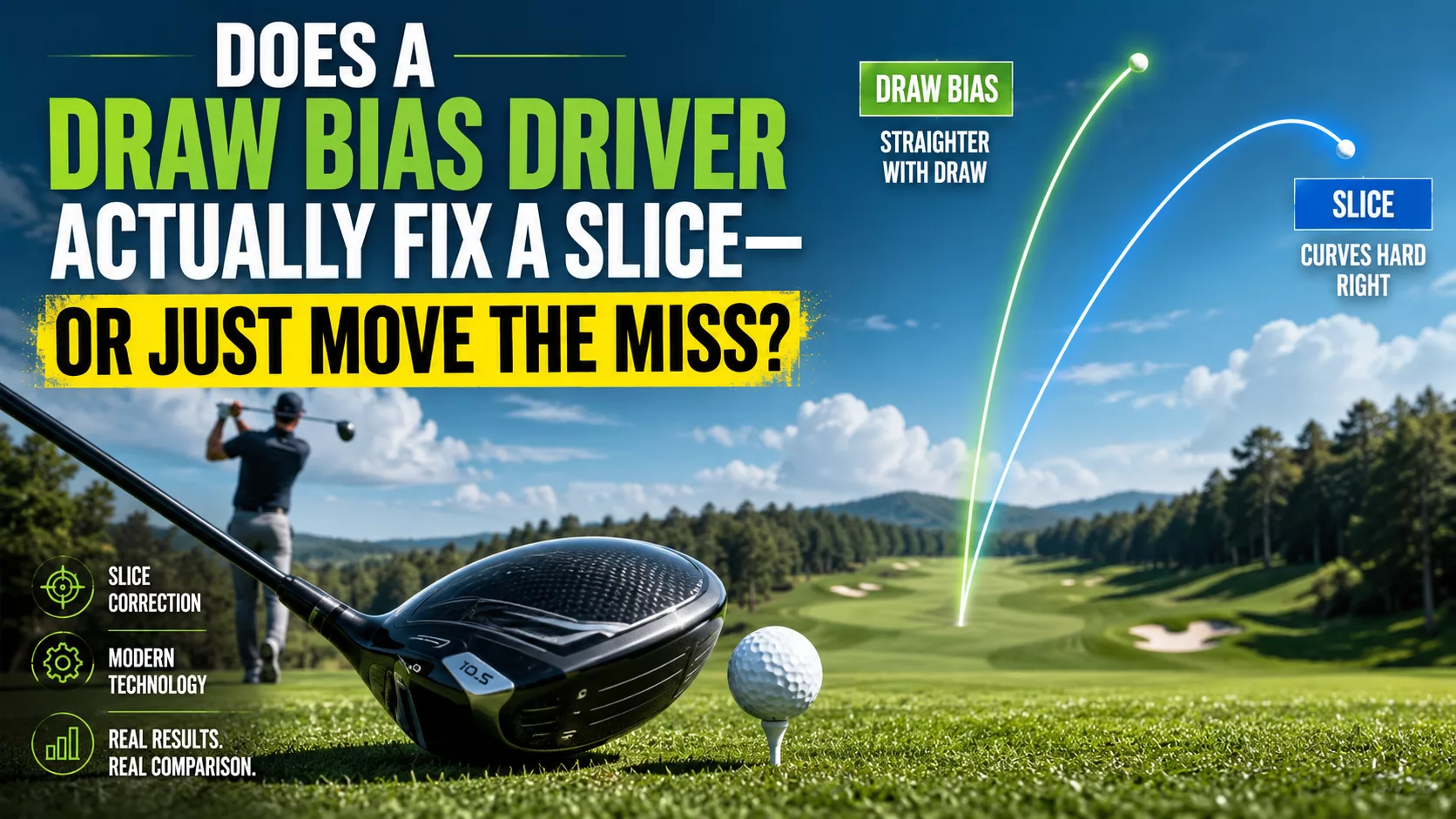
Does a Draw Bias Driver Actually Fix a Slice — Or Just Move the Miss?
Quick answer: A draw bias driver genuinely fixes a slice for most recreational golfers — [...]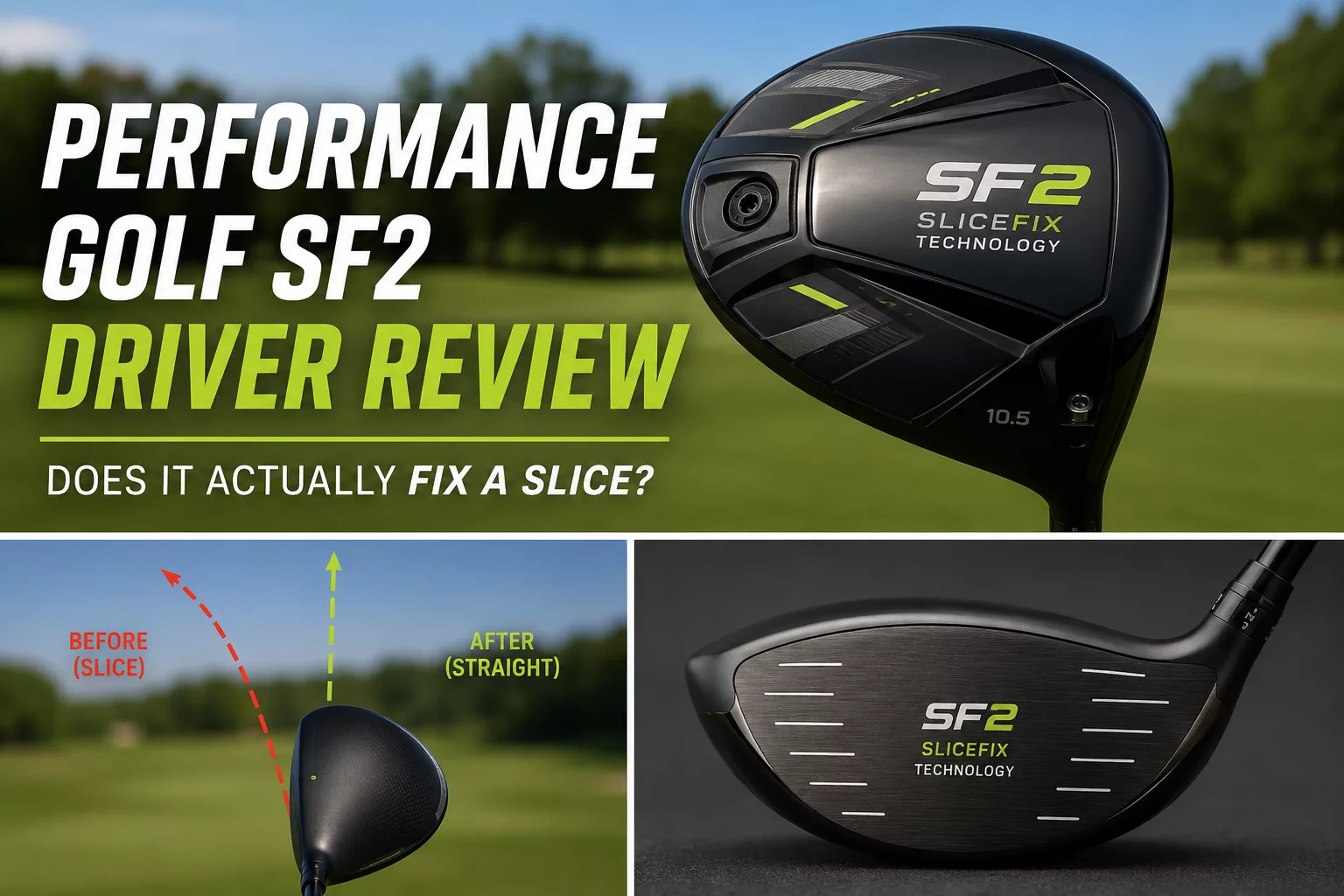
Performance Golf SF2 Driver Review: Does It Actually Fix a Slice?
Performance Golf SF2 Driver Review: Does It Actually Fix a Slice? The short answer: yes. [...]