This website uses cookies to improve your experience. We\'ll assume you\'re ok with this, but you can opt-out if you wish. Read More
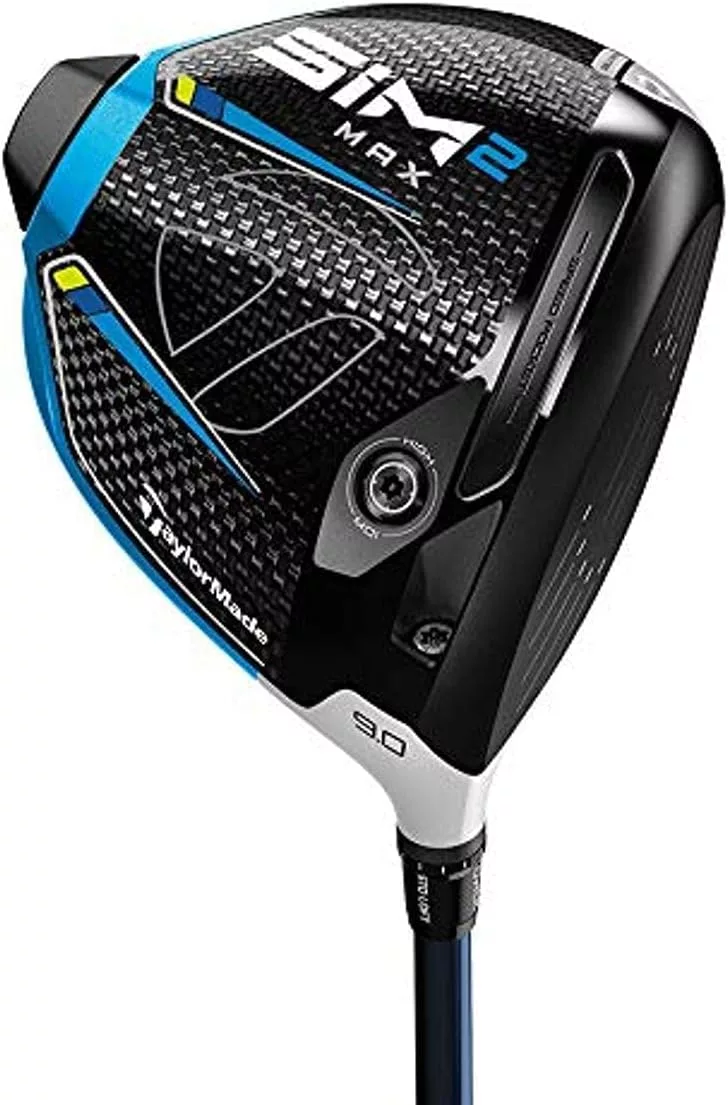
TaylorMade Golf SIM2 MAX Driver Review: Is It Right for You?
Categories :
TaylorMade Golf SIM2 MAX Driver Review: Is It Right for You?
Lately, we’ve been out on the course with the SIM2 Max driver. Right away, the club just feels solid during a swing, and that honestly gave us a bit more confidence when chasing longer drives.


The forgiveness stands out, especially on those not-so-perfect hits. If you’re used to a different flex or a softer feel, you might need a little time to adjust to the stiff shaft.
Overview Of The TaylorMade SIM2 MAX Driver
When we tried the SIM2 Max, control came pretty easily. The club feels lightweight but doesn’t lose stability during the swing.
The grip is solid, and the shaft feels comfortable, which helps us focus on making good contact. Out on the course, the forgiveness was noticeable—even off-center hits stayed in play and traveled further than we expected.
Some of us needed a bit of time to get used to the club if we were coming from a bigger face. Build quality seems strong and reliable, though we’ve seen a few rare complaints about durability online.
Pros:
- Forgiving on mishits
- Lightweight, comfortable grip
Cons:
- Learning curve for bigger club head users
- Rare quality concerns reported
Forged Ring Construction
Taking this driver out, the forged ring design grabbed our attention fast. The club feels more solid through each swing, and there’s a real sense of added stability at impact—much more than with older models we’ve used.
What stood out:
- The ring shape helps spread force across the clubhead.
- Shots felt consistent, even on mishits.
- The finish has held up after several sessions, which is a good sign for durability.
The sound is a bit different, which might take a little getting used to. Still, the forged ring isn’t just a marketing term—it actually changes how the club feels in your hands.
SIM Inertia Generator
We noticed the unique shape at the back of the club head pretty quickly. The SIM Inertia Generator is supposed to help you swing faster, and honestly, it does feel easier to generate club head speed.
This gave us a bit more distance, especially if your swing speed is on the slower side. The weight in the back balances the club, so it feels stable, but a few of us needed a couple of swings to get used to it. If you prefer a classic look and weight, you might not love this feature.
Speed Injected Twist Face
On the range, the Speed Injected Twist Face stood out. It’s designed to keep ball speed up, even when you miss the center.
Our shots off the toe and heel still carried well, and we saw less side spin than with older drivers. Drives stayed straighter, which definitely eased some frustration. For those with very inconsistent swings, the difference isn’t huge, but for most, it works as promised.
Thru-Slot Speed Pocket
After a few rounds, we noticed the Thru-Slot Speed Pocket really helps on off-center hits. Shots that missed the center didn’t lose as much distance.
Low face strikes got a little extra boost, and while the feel is a bit different on those shots, the ball still carried nicely. If you already hit the center most of the time, you probably won’t notice a big change.
Pros:
- Keeps distance on mishits
- Great for players who miss the sweet spot
Cons:
- Not as helpful for consistent ball strikers
- Feel is a bit different on low hits
Split Mass Weighting
We could tell right away that the weight is distributed differently in this driver. The split mass weighting makes the clubhead feel stable through the swing, which helps us keep shots straighter.
On off-center hits, we got a bit more forgiveness than with other drivers. The extra stability made the club feel a little less lively at impact, though. If you like a super light or bouncy feel, this setup might not be for you.
The weight setup helps with control and gives more confidence at the tee, especially if you’re trying to avoid slices or hooks.
User Experience On The Course
Using the SIM2 MAX on the course, we found it steady in the hands. Drives stayed consistent, and a lot of us saw a smoother ball flight than with older clubs.
The grip stayed comfortable, even during longer rounds. We liked the extra forgiveness—miss-hits didn’t hurt us as much.
For slower swing speeds, distance gains were definitely there, though not huge. Not everyone found the club face as forgiving as some larger models, but it’s still a solid performer.
Pros:
- Solid feel and control
- Comfortable grip
- Forgiving on slight mishits
Cons:
- Some found it less forgiving than expected
- Quality control concerns if buying used
Pros and Cons
Pros
With the SIM2 MAX Driver, a few things stood out right away. The feel and build quality are solid, which gave us confidence on the course.
Distance is a big plus—many of us noticed longer drives after switching. The club forgives off-center hits, so mishits aren’t as punishing and the ball stays straighter.
We liked being able to tweak the driver to better match our swings. The grip is comfortable, and even after long sessions, our hands didn’t get tired or slip. If you want a driver that doesn’t have a carbon face but still feels modern, this one’s worth a look.
Quick Pros Table
| Pros |
|---|
| Added distance |
| Forgiving on mishits |
| Customizable adjustments |
| Comfortable grip |
| High build quality |
Cons
It’s not all perfect, though. The head design can feel odd if you’re coming from older or bigger drivers, so there’s a bit of a learning curve.
If your swing speed is all over the place, this driver won’t magically fix it. Build quality is generally great, but a few rare reports mention the club face cracking early—something to keep in mind.
The price is definitely on the higher side, so it might not be ideal if you’re on a tight budget.
Cons at a Glance
- Takes time to adjust to head shape
- Doesn’t fix major swing flaws
- Rare durability issues
- Higher price than some alternatives
Customer Reviews
Checking out feedback from other golfers, most users seem happy with the SIM2 MAX driver’s performance. People mention its forgiveness and the extra distance they’re getting off the tee.
A few folks had issues, mostly with quality on used clubs or getting used to the smaller face if they came from older drivers. Overall, most find it easy to use and well-made. The 4.4 out of 5 rating from over 180 reviews lines up with our own experience.
Frequently Asked Questions
What are the improvements in the SIM2 MAX Driver compared to its predecessor?
After using the SIM2 MAX Driver, we noticed some clear upgrades over the older model. The new Forged Ring Construction makes the head feel more solid at impact, and the full carbon sole and crown seem to boost stability.
The changes in the rear weighting help balance the club, making it more forgiving on off-center hits. All in all, it feels easier to swing and control for a wider range of players.
How does the SIM2 MAX Driver perform for high handicappers?
We found the SIM2 MAX Driver pretty friendly for higher handicaps. The club’s shape and materials help keep shots straighter, even when your swing isn’t exactly textbook.
Several folks in our group who usually struggle with drivers had fewer slices and misses. Some users, though, still prefer drivers with even bigger faces for maximum forgiveness.
The SIM2 MAX helps, but it won’t fix every off-center hit. That’s just the honest truth.
What are the key technologies incorporated in the SIM2 MAX Driver?
After a few rounds with this driver, we noticed several tech features in action:
- Speed Injected Twist Face: This boosts distance and helps reduce those nasty shots off the heel or toe.
- Thru-Slot Speed Pocket: You get extra ball speed, especially if you hit low on the face.
- SIM Inertia Generator: The club feels faster through the air, which is great for picking up swing speed.
- Split Mass Weighting: Adds forgiveness and helps match swing weight.
These features give the SIM2 MAX a forgiving feel and help golfers with a range of skills.
How has the SIM2 MAX Driver been received by professional golfers?
Most of us aren’t pros, but we’ve seen a few PGA players using this driver. The pros seem to like the balanced feel and forgiveness, saying it helps them shape shots more predictably.
Many top players switch drivers often, so it’s not the only one you’ll spot on tour. For club players like us, though, the driver feels high quality and not out of place at any level.
What are the customization options available for the SIM2 MAX Driver?
We saw that the SIM2 MAX comes with a few options to help you get the fit right:
- Choice of shaft flex (stiff, regular, or senior)
- Adjustable loft sleeve for tweaking the angle a bit
- Different grip selections
There are drivers out there with even more advanced adjustability, but honestly, these options let most of us dial in a setup that feels comfortable.
How does the SIM2 MAX Driver’s forgiveness compare to other drivers on the market?
We’ve tried a lot of clubs, and honestly, the SIM2 MAX feels like one of the kindest drivers out there. If you struggle to find fairways, you’ll probably see straighter shots and smaller misses with this one.
Pros of Forgiveness:
- When you hit off-center, you don’t lose as much distance.
- It cuts down on side-spin, so those huge slices or hooks happen way less often.
Cons We Noticed:
- Some testers thought the face size, while forgiving, isn’t the biggest compared to models that only focus on forgiveness.
The SIM2 MAX has a strong reputation for forgiveness. It’s a great choice for most golfers, especially if you want both distance and accuracy but don’t need the absolute largest sweet spot.
Related Post

Can You Wear Leggings Golfing? Yes — at Nearly Every Public Course
Leggings are acceptable at the large majority of public and municipal golf courses, and they’ve [...]